


Bank of Korea Wants Stablecoins Written Into Forex Law as Crypto Bill and Tax Fight Come to a Head
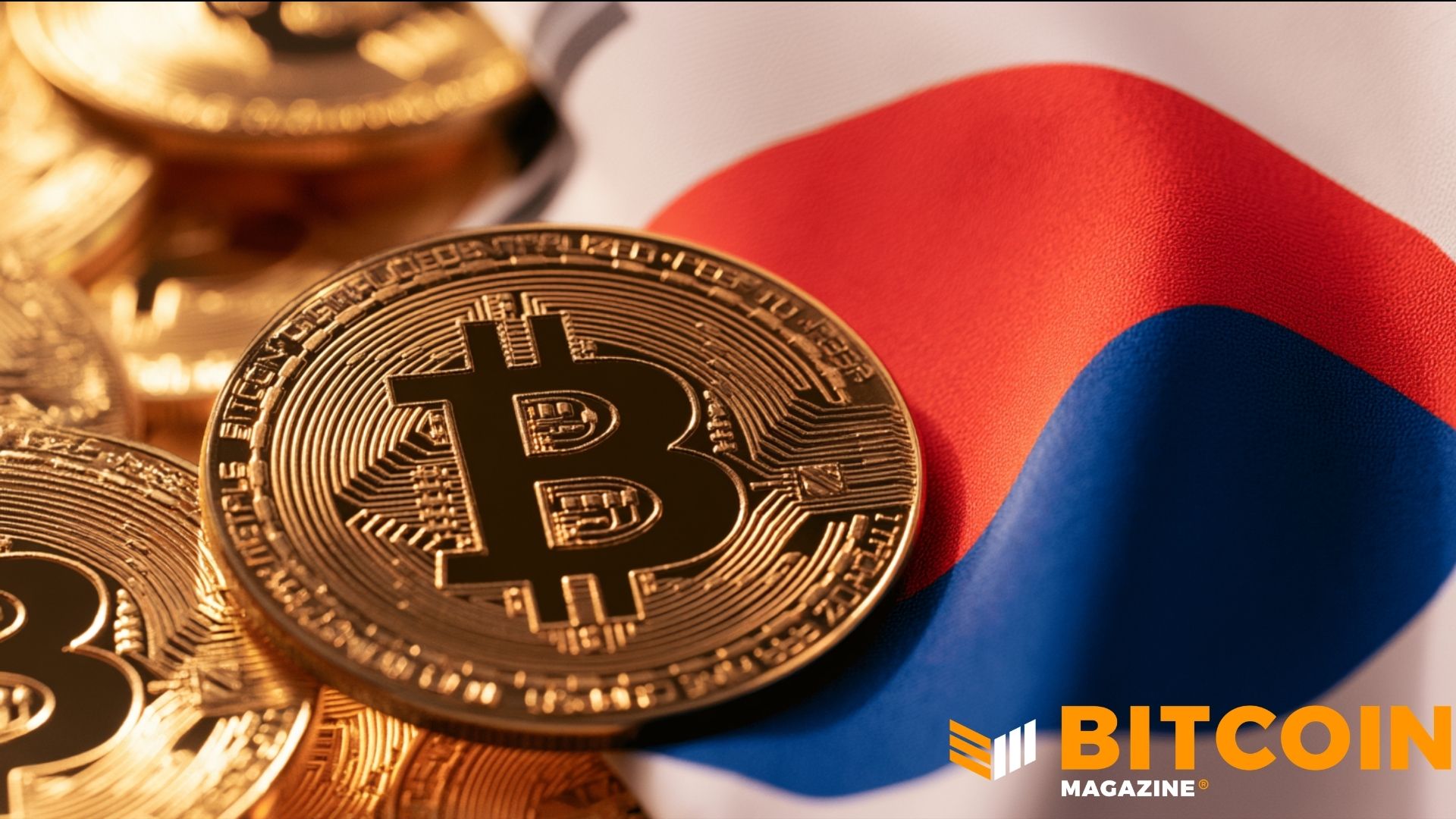
The Bank of Korea plans to draft an amendment to the Foreign Exchange Transactions Act with the government before year-end that would regulate stablecoins as a means of payment, according to a written submission to the National Assembly’s annual audit by Korean outlet Digital Asset.
The central bank’s October 22 report, a follow-up to last year’s audit, says it is consulting with the government on measures to regulate cross-border transactions in virtual assets.
While building a monitoring system based on foreign exchange network reporting, the bank said, it plans to prepare the amendment with the government this year to regulate stablecoins as a means of payment, among other aims.
That is a plan to write a bill, not a bill in itself. There is no draft text, no named token and no passage date. And “means of payment” is a defined term in Korean forex law: an instrument whose cross-border movement must be reported.
On that reading, the amendment would put dollar stablecoins under the same controls as a wire to New York, not make them legal tender at a Seoul convenience store.
The BOK pointed to settlement outside the banking system, mixers and regulatory gaps around personal wallets as factors that ease illegal transactions. Bitcoin holders who self-custody in Korea should take note: the country’s capital controls are the reason the exists, and a tighter forex net around crypto would entrench those controls rather than ease them.
The forex work runs in parallel with the Digital Asset Basic Act, the licensing and stablecoin-issuance framework flagged alongside in the government’s 2026 growth strategy.
Financial Services Commission chairman Lee Eog-weon told lawmakers Thursday that consultations are in their final stage and the bill will follow as soon as possible, Bloomingbit .
The BOK said it will work with ministries to limit transactions that exploit the gap until that law exists.
South Korea’s crypto tax discussions
The gap has a date attached. Korea’s crypto income tax is due to take effect January 1, 2027, to The Block, after three postponements, and lawmakers have questioned taxing a market before the law defining it is passed.
Lee said Thursday the tax should “take various circumstances into full consideration,” per . Democratic Party leader Kim Min-seok called Thursday for a “thorough final review,” a shift from a party that had insisted on 2027.
Two petitions, one to repeal the tax and one to defer it two years, each cleared the 50,000 signatures that force a legislative review.
The National Tax Service has not moved: it plans to finalize its draft tax notice by October 30, Digital Asset .
This post first appeared on and is written by .
Related Articles

Stand With Crypto Director: The Crypto Vote Will Decide the Midterms | Mason Lynaugh
Read more →
Parker Lewis: Bitcoin Will Settle 100% of Global Payments
Read more →
Block Releases THE Bitcoin National Ad Campaign
Read more →
Bloomberg’s Mike McGlone: AI Risk Could Force Bitcoin Drawdown to $10,000
Read more →
Ethereum Delays Glamsterdam Test On Hoodi Over Smart Contract Compatibility Questions
Read more →
Paybis Adds iDEAL, BLIK, Multibanco and EPS for Buying Crypto in Europe
Read more →
HTX Research Publishes Crypto Market Outlook Ahead of the 2026 U.S. Midterm Elections
Read more →
CME Posts Record Q3 Revenue As Crypto Derivatives Push Continues
Read more →
Critical PHP Fixes Put Crypto Checkout Infrastructure In Focus
Read more →