


BitGo CEO Mike Belshe: Why Dollar Debasement Fuels the K-Shaped Economy
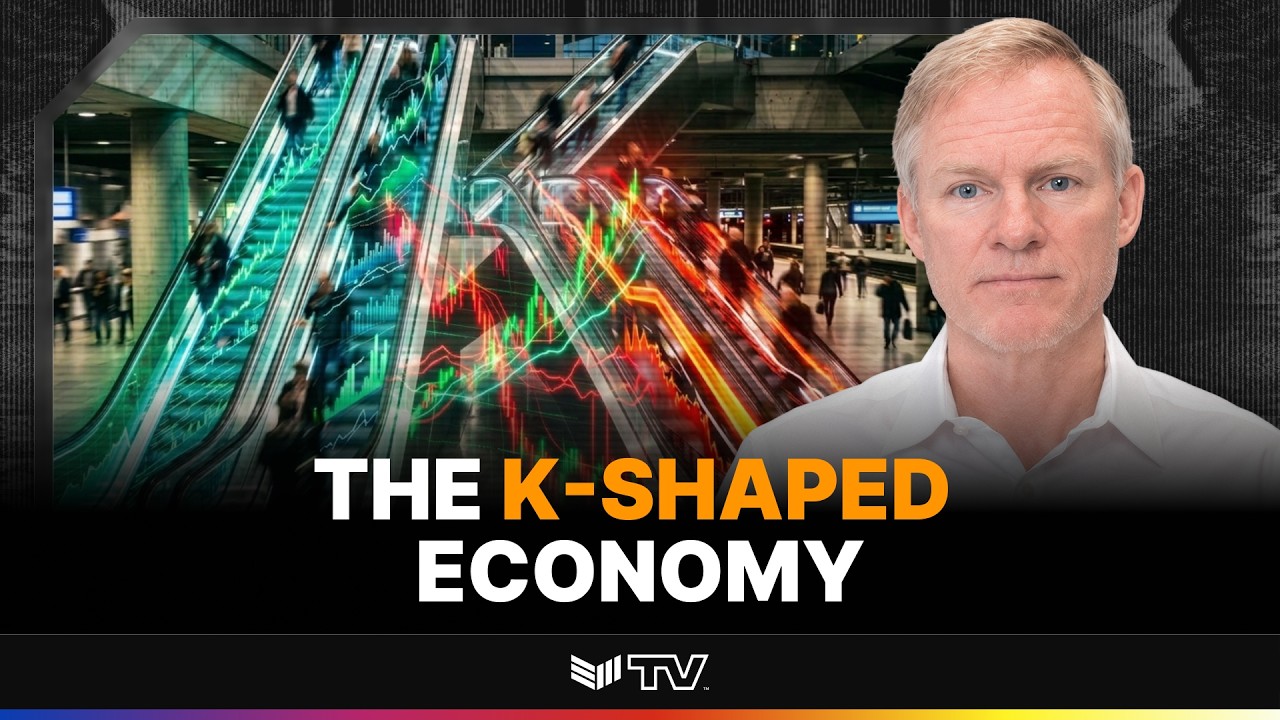
Mike Belshe says tokenization isn’t really about trading — it’s about access. The BitGo CEO walks through how the current system dates back to the 1960s paper crisis, when the New York Stock Exchange had to shut down weekly just to settle physical share certificates, and why the structure built to fix it still caters to the largest players. He explains why retail’s inability to borrow against assets, rather than sell them, is what drives the K-shaped economy. In this BMTV interview he describes what ghost stocks and tokenized equities change about that.
Chapters:00:00 — Does Custody Concentration Create a New Centralization Risk00:35 — Multisig, MPC, and Eliminating Single Points of Failure01:49 — What the US Regulatory Framework Still Needs Beyond Clarity02:39 — How Boardrooms Actually Decide Without a Legislative Path04:17 — Ghost Stocks and Tokenized Equities04:51 — The 1960s Paper Crisis and the System Built to Fix It05:31 — The K-Shaped Economy and Who Can Borrow Against Assets06:54 — Proof of Reserves and Time-Locking Shares to Show Conviction08:18 — Where AI Agents Fit Into Managing Assets10:04 — What He Actually Meant About the Dollar Going to Zero
DISCLAIMER: The views and opinions expressed in this show are those of the participants and do not necessarily reflect the official policy or position of BTC Inc., Bitcoin Magazine, or any affiliated entities. This content is provided for informational and educational purposes only and should not be construed as investment, legal, tax, or accounting advice. Nothing contained in this show constitutes a solicitation, recommendation, endorsement, or offer to buy or sell any securities or financial instruments. Viewers should consult their own advisors before making financial or business decisions.
This post first appeared on and is written by .
Related Articles

Bybit Adds PATH, CYPH And HUT Equity Perpetuals With Up To 25x Leverage
Read more →
Dave Weisberger on Why Bitcoin FOMO Hasn’t Even Started Yet
Read more →
Assessing the Quantum Threat to Bitcoin w/ Shinobi
Read more →
BTC Market & Institutional Adoption Forecast with UTXO’s Daniel Hinton
Read more →
Binance Brings 24/7 FX Perpetuals To Crypto Traders With USD/BRL
Read more →
Ondo And Alpaca Add In-Kind Minting For Tokenized Stocks
Read more →
OKX Shield Offers Up To €500K Account-Takeover Protection In Europe
Read more →
Anchorage Digital Taps LayerZero To Take USAT Stablecoin Cross-Chain
Read more →
Ethereum ETFs Pull In $270M As BlackRock Leads September 21 Rebound
Read more →